The intricate tapestry of symbolism woven into the fabric of Tarot cards reflects a profound language of the subconscious mind, offering a gateway to explore the depths of our psyche.
From the enigmatic origins of Tarot symbolism to the intricate meanings behind the Major Arcana and Minor Arcana, each card is laden with layers of meaning waiting to be unraveled.
As we delve into the realms of numerology, elemental influences, color symbolism, and astrological connections within Tarot, we are invited to embark on a journey of introspection and self-discovery, where each symbol acts as a mirror to reflect our innermost truths and desires.
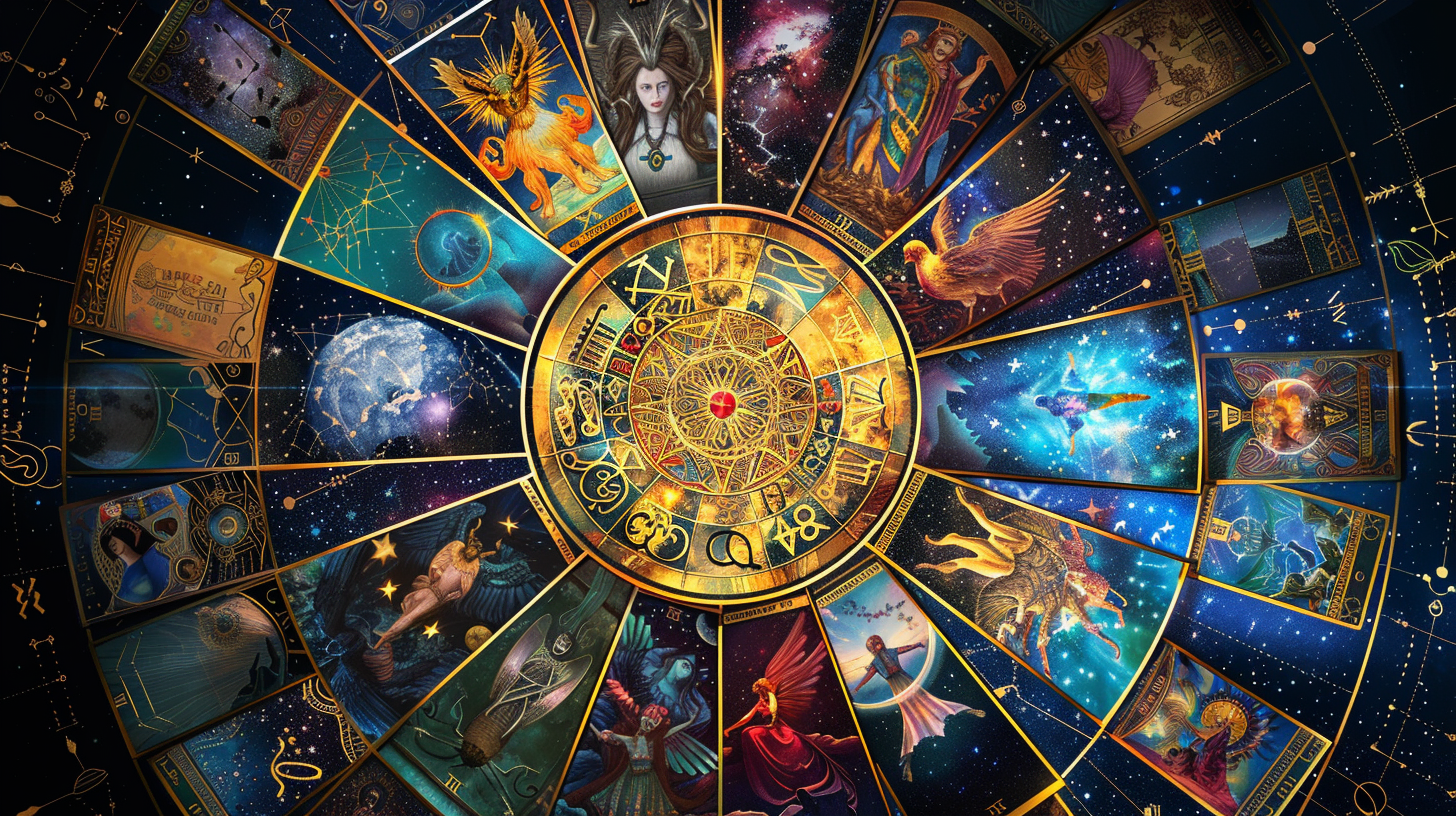
The genesis of Tarot Symbolism traces back to ancient mysticism, where intricate patterns of meaning interwove with esoteric wisdom to form a rich tapestry of divinatory significance. Historical origins point to the Tarot’s roots in the 15th century, believed to have originated in Europe, possibly Italy. Initially used for card games, the Tarot evolved into a tool for spiritual reflection and guidance.
Cultural influences played a pivotal role in shaping Tarot Symbolism. The fusion of various cultural elements, including Egyptian, Christian, Jewish, and Islamic symbolism, contributed to the diverse and multifaceted meanings embedded within the Tarot cards. These cultural amalgamations added layers of depth and complexity to the Tarot’s interpretive framework.
Artistic interpretations further enriched the Tarot Symbolism, with each card meticulously crafted to convey specific messages and themes. The intricate designs, colors, and symbols on the cards served as visual cues that resonated with seekers on a subconscious level, triggering intuitive insights and revelations.
The spiritual significance of Tarot Symbolism lies in its ability to tap into the collective unconscious and connect individuals with universal archetypes and truths. Through the Tarot, practitioners seek guidance, self-reflection, and spiritual growth, delving into the mystical connections that bridge the material and spiritual realms. The Tarot serves as a mirror reflecting the inner landscapes of the human psyche, offering profound insights and wisdom to those who seek its counsel.
In unraveling the intricate layers of Tarot Symbolism, the Major Arcana emerges as a profound reservoir of archetypal imagery and esoteric wisdom, each card encapsulating profound meanings and spiritual insights.
The Major Arcana is a rich tapestry of symbols that transcends cultural boundaries, offering a profound tool for introspection and divination. Each card resonates with layers of meaning, inviting individuals to delve into their depths and uncover the mysteries of the human psyche. Through symbolic archetypes, mythological influences, spiritual significance, psychological interpretations, and cultural representations, the Major Arcana invites seekers to embark on a transformative journey of self-discovery and enlightenment.
Embodying the essence of daily life and the nuances of human experience, Minor Arcana cards in Tarot reveal intricate symbolic meanings woven into the fabric of everyday existence. The Minor Arcana consists of four suits: Wands, Cups, Swords, and Pentacles. Each suit represents different aspects of life, such as creativity, emotions, intellect, and material matters, respectively. Suit meanings delve into the core themes and energies associated with each suit, offering insights into various life domains.
Court cards within the Minor Arcana represent different personality traits or aspects of the self. They often embody characteristics of individuals in the querent’s life or represent parts of the querent’s own psyche. Understanding the Court cards can provide valuable insights into relationships, personal growth, and decision-making processes.
Symbolic elements present in the Minor Arcana, such as animals, landscapes, and objects, enrich the cards with deeper layers of meaning. These symbols act as visual cues that spark intuition and guide interpretations. Numerical significance also plays a crucial role in Tarot readings. The number of each card can offer additional insights into the card’s meaning and the overall message of the reading.
Interpretation techniques involve analyzing the interactions between cards, considering their positions in a spread, and intuitively interpreting the story they collectively tell. By incorporating suit meanings, court cards, symbolic elements, numerical significance, and interpretation techniques, Tarot readers can unlock profound insights into the querent’s life journey.
Exploring the intricate connection between numbers and symbolic meanings in Tarot, numerology unveils a deeper layer of insight into the essence of Tarot symbols. Numerology relationships within Tarot cards play a crucial role in understanding the mystical language embedded in the deck. Here are some key points to consider:
Understanding the numerical aspects of Tarot symbols through numerology enriches the reading experience by adding layers of meaning and depth. By delving into the spiritual connections and hidden meanings revealed through numerology, one can unlock a more profound understanding of the messages embedded within the Tarot deck.
Symbolically representing the foundational building blocks of the universe, elemental influences in Tarot cards provide a profound framework for understanding the interconnected energies at work within the deck. The four elements – Earth, Air, Fire, and Water – are deeply ingrained in Tarot symbolism, each carrying its unique essence and significance.
Elemental influences in Tarot hold strong spiritual connections, serving as conduits between the physical and spiritual realms. Earth symbolizes stability, grounding, and material aspects. Air represents intellect, communication, and thought processes. Fire embodies passion, transformation, and energy. Water signifies emotions, intuition, and the subconscious mind. These elemental forces intertwine in the cards, offering rich layers of meaning for interpretation.
In Tarot readings, understanding elemental symbolism is key to unlocking the deeper messages woven into the imagery. The elemental balance present in a spread provides insights into the seeker’s spiritual guidance, highlighting areas of strength, growth, or imbalance. By recognizing the elemental energies at play, readers can offer intuitive readings that resonate with the seeker’s journey, offering clarity and direction.
In essence, elemental influences in Tarot infuse the cards with a dynamic energy that mirrors the ebb and flow of life’s experiences. Embracing the elemental forces within the deck allows for a deeper connection to the universal energies that guide us on our path of self-discovery and spiritual growth.
Animal symbolism in Tarot cards enhances the depth of interpretation by tapping into primal instincts and archetypal energies.
Creature interpretations in Tarot readings provide a rich tapestry of symbolism that speaks to the deepest parts of the psyche. Understanding the intricate connections between animal archetypes, Tarot creatures, symbolic fauna, and beastly symbolism allows for a more nuanced and insightful interpretation of the cards.
Within the intricate tapestry of Tarot symbolism, color plays a vital role in conveying layers of meaning and depth to the cards. Color psychology, cultural influences, historical significance, spiritual meanings, and interpretation techniques all contribute to the rich tapestry of color symbolism in Tarot. Different colors hold various meanings and can evoke different emotional responses, adding a nuanced dimension to Tarot readings.
To delve deeper into the significance of colors in Tarot, let’s explore a table showcasing some common colors found in Tarot decks and their associated meanings:
| Color | Meaning | Interpretation |
|---|---|---|
| Red | Passion, energy, courage | Represents action and vitality |
| Blue | Serenity, intuition, communication | Indicates calmness and understanding |
| Green | Growth, abundance, healing | Symbolizes harmony and prosperity |
| Yellow | Joy, intellect, optimism | Signifies happiness and positivity |
| Purple | Spirituality, mystery, wisdom | Reflects inner knowledge and insight |
Color symbolism in Tarot draws from a blend of cultural influences and historical significance, infusing each card with a unique visual language. By understanding the spiritual meanings behind colors and employing various interpretation techniques, Tarot readers can unlock profound insights during readings.
Color symbolism in Tarot sets the foundation for understanding the intricate layers of meaning within the symbolic imagery present on each card. The symbolic imagery in Tarot encompasses a rich tapestry of elements that have been carefully crafted over centuries to convey profound messages to those who seek guidance. Here are some key aspects to consider when exploring the symbolic imagery in Tarot:
The intricate web of astrological connections woven throughout the Tarot cards serves as a celestial roadmap guiding seekers through the depths of their spiritual journeys. Planetary associations and zodiac signs play a significant role in shaping the tarot symbolism, infusing each card with celestial influences that add layers of meaning and depth to the readings.
In Tarot, each card is linked to specific astrological correspondences, aligning with the movements and energies of the planets and stars. For instance, the High Priestess card embodies the intuitive and mysterious qualities associated with the moon, while the Emperor represents the structured and authoritative traits of Mars. These connections offer seekers a way to tap into the broader cosmic energies at play, providing insight and guidance from the celestial realm.
Moreover, the zodiac signs also play a crucial role in Tarot, with each card resonating with the characteristics and themes of a particular sign. The Hermit card, for example, embodies the introspective and wise nature of Virgo, while the strength and vitality of Leo are reflected in the Strength card. By understanding these astrological correspondences, seekers can delve deeper into the symbolic language of the Tarot, unlocking hidden meanings and gaining a broader perspective on their spiritual path.
Exploring the depths of one’s inner world through personalized interpretations of Tarot symbols unveils a profound journey of self-discovery and introspection. When delving into the realm of personal interpretation of Tarot symbols, it opens a gateway to a world where intuition reigns supreme and where symbolic associations can evoke deep-seated emotions. The process of deciphering these symbols goes beyond the surface meanings; it involves unraveling hidden meanings that reside in the subconscious, shedding light on aspects of the self that may have been previously overlooked. By engaging in personal interpretation, individuals can tap into a wellspring of spiritual guidance that offers a reflective mirror to their innermost thoughts and feelings.
This interpretive freedom grants individuals the opportunity to infuse their readings with creativity, allowing for a personalized and meaningful exploration of the self.